
Winter Is Here: How to Maintain Your Cone Crusher with Confidence — A Complete Winter Maintenance Guide
As temperatures continue to drop, mining areas in northern China are entering severe cold mode. For cone crushers operating outdoors or in semi-open environments for long periods, winter is the season that most tests equipment condition — low temperatures, frozen ground, condensation, lubrication system failure… any weak link can cause downtime, equipment damage, or even safety accidents.
As the “main force” of aggregate production lines, a cone crusher that is not properly maintained in winter will at best see reduced capacity and shortened spare-part life, and at worst suffer burnt main shafts and damaged liners, bringing maintenance costs of hundreds of thousands of yuan. Today, we will discuss the correct winter maintenance practices for cone crushers from six dimensions: lubrication, cooling, antifreeze, liners, electrical systems, and shutdown storage.
I. Lubrication System: Winter’s “First Lifeline”
The most direct impact of low temperatures is that lubricating oil viscosity rises and fluidity worsens. Many customers report “difficult startup” and “high no-load current” in winter, and the root cause is often lubrication.
1. Change to winter-grade oil
Ordinary summer oil becomes thick at low temperatures and can hardly form a stable oil film between gears and bearing shells. When the temperature is below 5°C, it is recommended to replace the oil in the lubrication station with a winter-grade product (such as ISO VG 46/68 corresponding low-temperature viscosity grades), and check the winter oil specifications recommended in the equipment manual.
2. Preheat before startup
Before winter startup, be sure to start the lubrication station oil pump first, let the oil circulate and warm up to above 30°C (depending on model requirements), and then jog the main machine without load. Never force a heavy-load startup at low temperature — this is the No. 1 cause of burnt bearing shells in winter.
3. Check oil temperature and pressure
During operation, closely monitor the return oil temperature and oil pressure gauge. High oil pressure during cold startup is normal in winter, but if the alarm continues, check for filter blockage or frozen oil lines, and clean and replace the filter element in time.
II. Cooling and Condensation: Don’t Let “Water” Ruin the Equipment
Although ambient temperatures are low in winter, the lubrication station and hydraulic system still generate heat during operation. The alternation of hot and cold most easily produces condensation, which, once mixed into the oil, leads to emulsification, rust, and aggravated wear.
1. Prevent condensation from entering the oil circuit
It is recommended to install a desiccant filter at the oil tank breather to reduce moisture condensation caused by the day-night temperature difference; regularly open the drain port at the bottom of the oil tank to discharge deposited water and impurities.
2. Antifreeze management for coolers
For water-cooled coolers, if there is a risk of freezing in the mining area in winter, the cooling water must be drained after shutdown to prevent pipeline freezing and cracking. Customers who switch to air cooling or add antifreeze circulation need to mix antifreeze according to the manual.
3. Moisture protection for the hydraulic system
In winter, mountain areas are humid. When changing oil in the hydraulic station, be sure to do it in a dry environment to avoid moisture mixing in and causing hydraulic component sticking and liner locking failure.
III. Liners and Wear Parts: Winter Wear Can “Double”
Many people think wear-part loss depends only on output, but low temperatures also affect service life. Frozen ground and harder stone increase impact loads, and the wear curve of liners (mantle, bowl liner), eccentric sleeve bushings, and other parts becomes noticeably steeper in winter.
1. Increase liner inspection frequency
In winter, it is recommended to increase the liner wear inspection frequency from once a month to once every two to three weeks, focusing on measuring the remaining thickness of the mantle/bowl liner and whether wear is uneven. Once it approaches the scrapping line (usually remaining thickness below 30% of original thickness), replace it in time to prevent liner breakage from damaging the frame and main shaft.
2. Check liner fastening
Low temperatures aggravate bolt expansion and contraction. Regularly retighten liner locking bolts and wedges to prevent liners from loosening and shifting during operation, causing uneven wear and abnormal vibration.
3. Stock spare parts in advance
Winter logistics are greatly affected by weather and delivery cycles are long. It is recommended to stock common wear parts such as high-manganese steel (Mn13Cr2/Mn18Cr2) liners in advance to avoid temporary supply shortages and downtime in winter.
IV. Electrical and Control Systems: Moisture, Freezing, and Overload Protection
1. Moisture protection and insulation for electrical cabinets
The day-night temperature difference in winter is large, and condensation easily forms inside electrical cabinets, causing corrosion and short circuits of contactor and relay contacts. Heaters or insulation cotton can be installed to keep the cabinet dry, and check whether sealing strips are aged.
2. Cable and sensor inspection
Low temperatures make cable insulation brittle. Check all power and signal cables for cracking; regularly calibrate oil temperature, oil pressure, current, and other sensors to ensure automatic protection devices operate reliably in winter.
3. Startup current control
High cold-start current in winter is normal, but if tripping occurs frequently, check the load and electrical parameters to avoid long-term overload operation damaging the motor and transmission system.
V. Shutdown and Long-Term Storage: Rust Prevention Is the Top Priority
1. Short-term shutdown (overnight/weekend)
Before shutdown, let the equipment run without load for 5–10 minutes until temperatures at all parts equalize, then shut down to avoid internal stress from sudden cooling; stop feeding and clear residual material in the crushing cavity to prevent it from freezing hard and blocking the next startup.
2. Long-term storage (winter production suspension)
For equipment that will not run for a long time: clean out materials and mineral powder inside the machine; apply anti-rust oil or grease to all exposed machined surfaces; drain cooling water and add antifreeze measures; cover with tarpaulins for waterproofing and snow protection; turn the flywheel by hand without load once every two weeks to prevent bearing shells from seizing.
VI. Operation and Personnel: The “Soft Defense Line” of Winter Safety
No matter how reliable the equipment is, it cannot do without standardized operation. In winter, be sure to strengthen the following reminders for operators and maintenance personnel:
Before startup, strictly follow the sequence of “lubrication preheating → no-load jogging → gradual loading”; heavy-load forced startup is strictly prohibited;
If abnormal vibration, abnormal noise, or oil temperature/pressure exceeding limits is found, stop immediately for investigation; do not “operate with problems”;
In winter, roads and platforms are icy. When working at heights or replacing liners, be sure to take anti-slip and fall-prevention measures;
Establish a special winter inspection checklist and assign lubrication, drainage, antifreeze, liner, and electrical items to specific responsible persons.
Conclusion
Winter maintenance of cone crushers is essentially “detail management” — a little more patience with lubrication, one more liner inspection, and one more safety reminder can avoid a costly downtime accident.
We also remind fellow mining industry colleagues: winter is the peak demand season for wear-resistant spare parts. If you need liners (mantle/bowl liner), eccentric sleeve bushings, and other cone crusher wear parts, be sure to plan inventory in advance and allow enough logistics time. Professional wear-part suppliers will provide suitable material and specification recommendations based on your model (such as SJ1650, MC110R, etc.) and operating conditions, helping you steadily maximize equipment life and capacity.
Although winter is cold, with proper equipment maintenance, production can still stay hot. We wish every mining worker a safe and efficient winter.
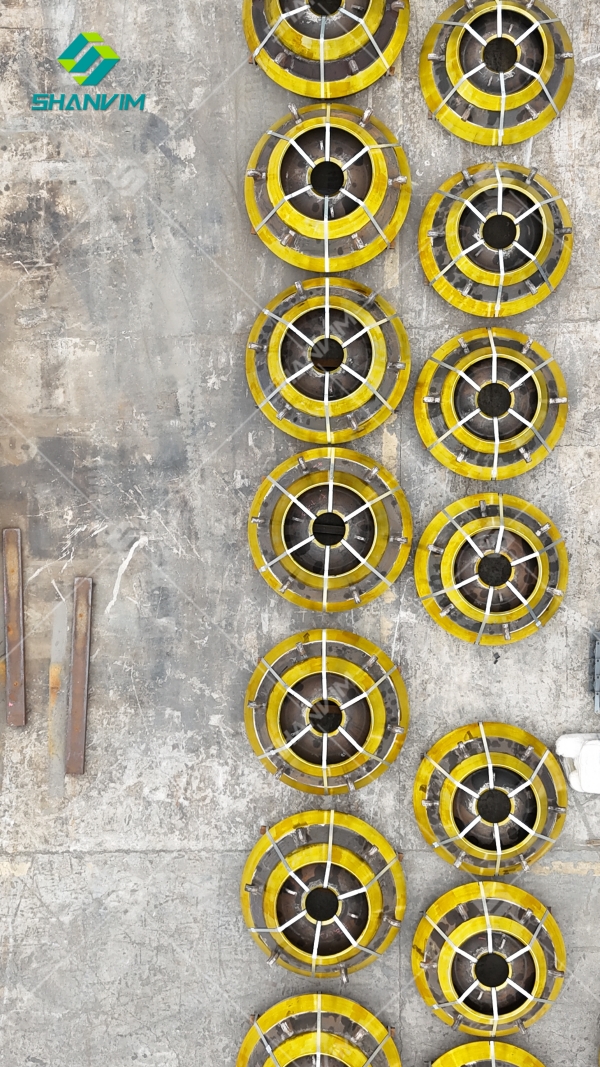
SHANVIM as a global supplier of crusher wearing parts, we manufacture cone crusher wearing parts for different brands of crushers. We have more than 20 years of history in the field of CRUSHER WEAR PARTS. Since 2010, we have exported to America, Europe, Africa and other countries in the world.
Post time: Oct-22-2026